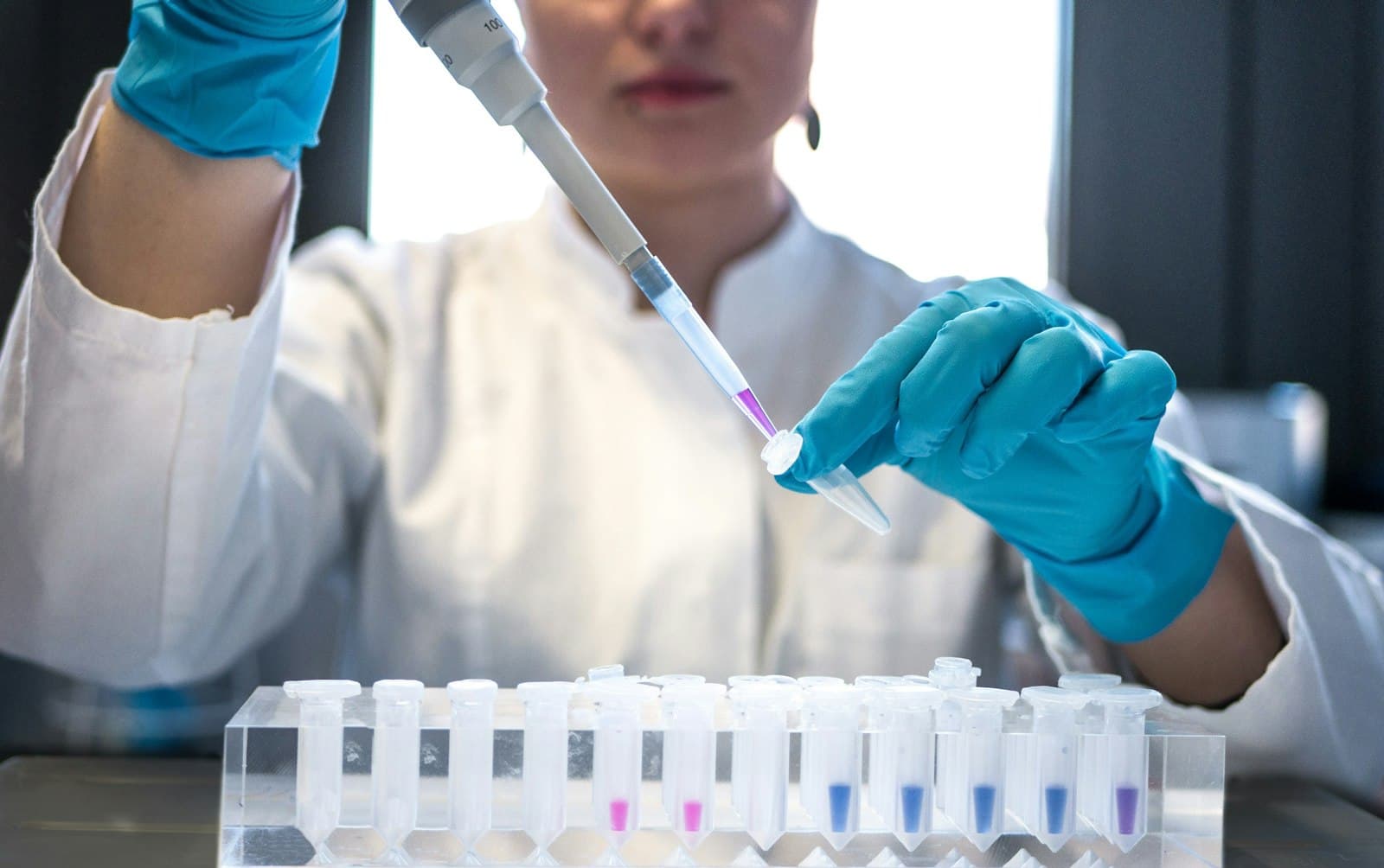
Learn the lab fundamentals
Read the documentation before you read the marketing. COAs, analytical methods, sterility testing, and what Research Use Only actually means.
19 guides · 5 topics · Research Use Only — not for human or animal consumption.
Peptidology is US-operated; guides may emphasize FDA context — local rules differ.

Reading a Certificate of Analysis
What a COA actually proves, which sections matter, and the red flags that separate a real document from decoration.
Updated 2026-05-20

HPLC vs. Mass Spectrometry
Two different questions: how pure is it, and is it the right molecule? Why a complete COA usually needs both.
Updated 2026-05-22
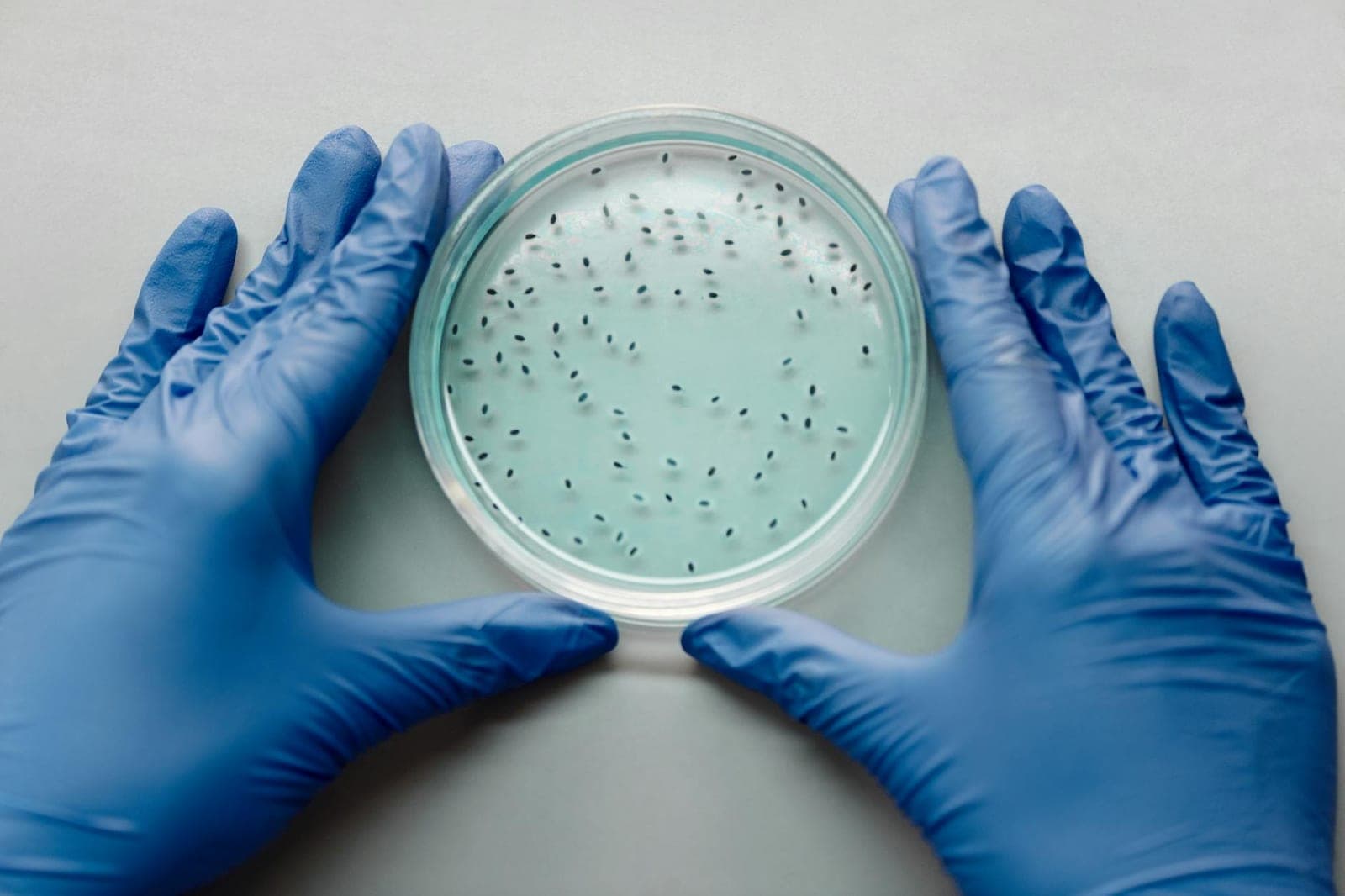
Sterility and Endotoxin Testing
What sterility and endotoxin assays measure, why they are distinct, and how they appear on research documentation.
Updated 2026-05-25

What "Research Use Only" Actually Means
RUO is a regulatory and labeling category, not a wink. Here is what the designation does and does not cover.
Updated 2026-05-28

Understanding HPLC Chromatograms on a COA
Chromatogram screenshots appear on many COAs but are rarely explained. How to read peaks, baselines, and what a clean run looks like.
Updated 2026-06-07
How to Read a Peptide COA Batch Number
The batch number ties a physical vial to a specific lab report. How to match labels, COAs, and invoices — and what breaks the chain.
Updated 2026-06-07

Purity Percentages on COAs: What 98% Actually Means
Purity claims are widely misread. What the percentage measures, what it excludes, and why context on the chromatogram matters.
Updated 2026-06-07

Identity Testing: Why Peptide Sequence Matters
Purity without identity confirmation is an incomplete picture. How labs verify sequence, and what to look for on a COA.
Updated 2026-06-07
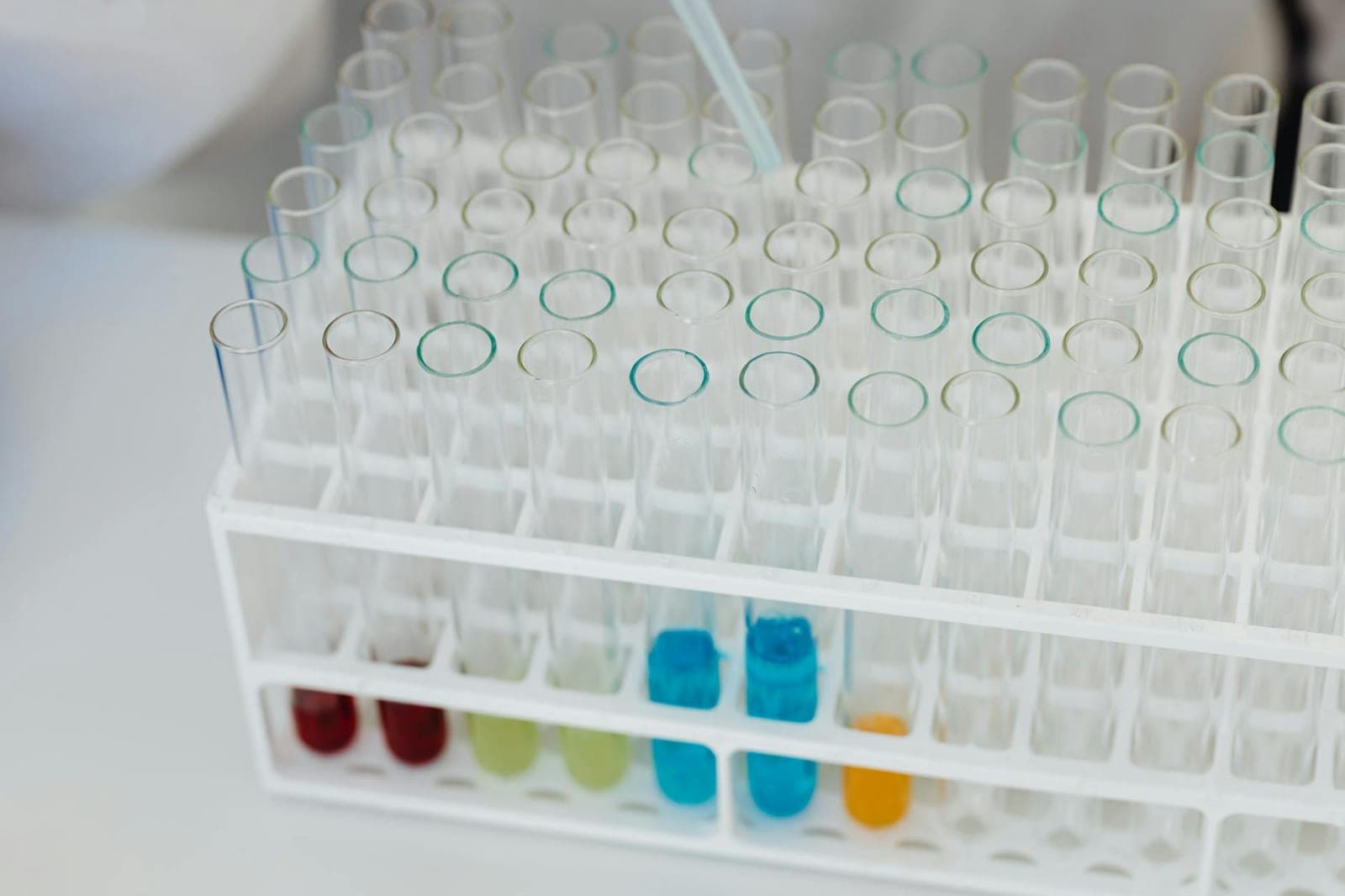
How to Evaluate a Third-Party Testing Lab
Independent COAs are only as credible as the lab that issued them. Accreditation, scope, and transparency checks before you trust a report.
Updated 2026-06-07
Batch-to-Batch Variability in Research Peptides
A strong COA on lot A does not describe lot B. Why synthesis batches differ, and how to protect reproducibility in your lab.
Updated 2026-06-07
Are Peptides Legal? A Research-Use Guide
How FDA-approved peptide drugs, compounding, and research-use-only catalog supply differ — and why "legal" depends on context, not chemistry.
Updated 2025-08-14

Legalized Peptides vs. Research-Use-Only Supply
Compounding access, clinic peptides, and internet RUO catalogs are different supply chains — not interchangeable categories.
Updated 2025-09-21
FDA-Approved Peptides: What the Agency Has Cleared
A reference frame for peptide drugs the FDA has approved — distinct from catalog research peptides that share similar names.
Updated 2025-10-29

FDA RUO Guidance: Key Points for Buyers
What FDA has said about Research Use Only products — and how to read vendor claims against that framework.
Updated 2025-11-17
Investigational Use Only (IUO) vs. Research Use Only (RUO)
Two FDA-facing labels that vendors often conflate — and why the difference matters for laboratory buyers.
Updated 2026-01-07
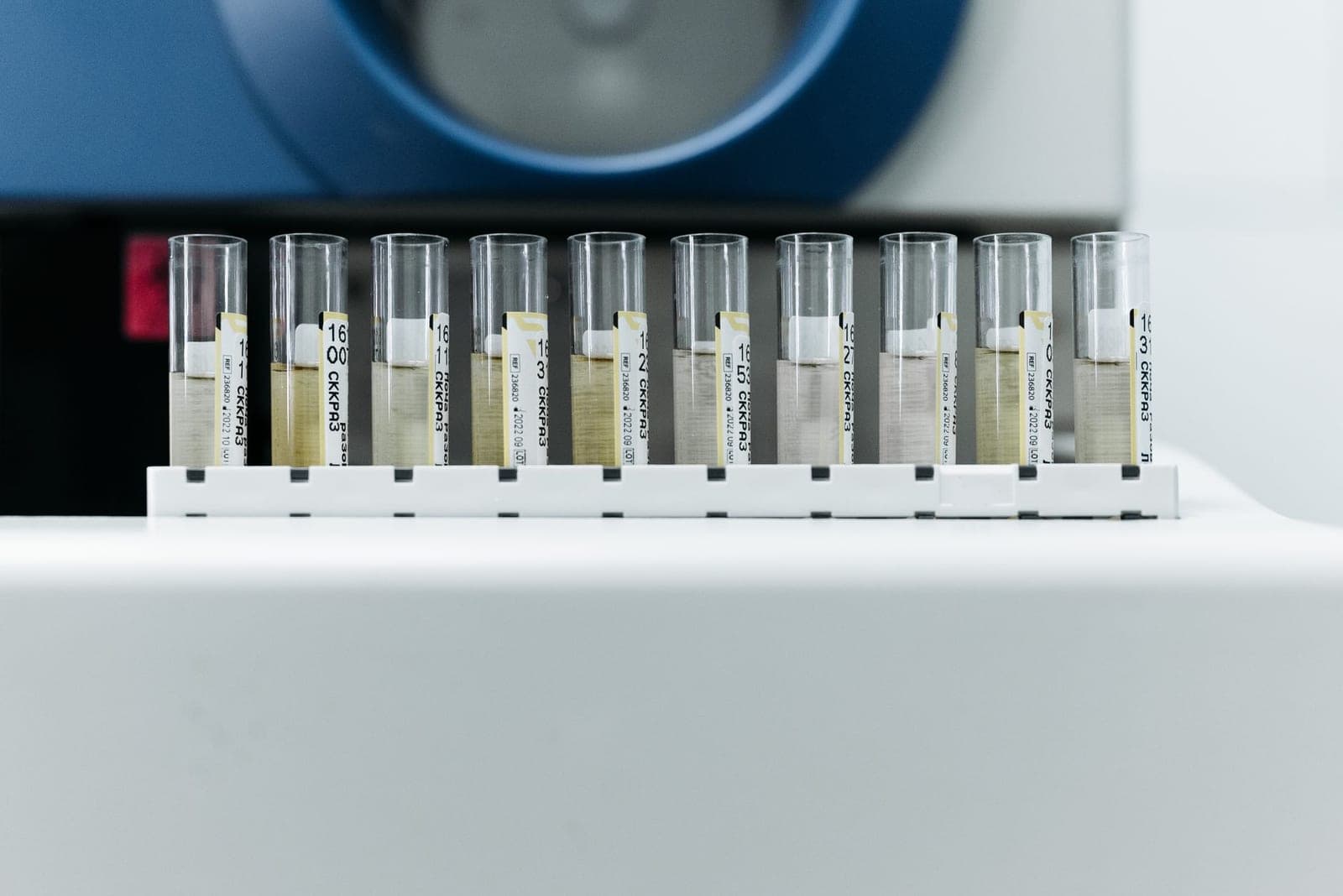
GMP vs. Research Grade: What the Grade Label Means
Good Manufacturing Practice applies to approved drug production — not every lyophilized catalog peptide.
Updated 2026-02-13
Research Peptide Labeling Requirements (RUO, SDS, Lot)
What should appear on a vial label and shipping paperwork for RUO peptides — and what marketing copy cannot substitute.
Updated 2026-03-04

SDS / Safety Data Sheets for Research Peptides
What an SDS covers for RUO peptides, what it leaves out, and when your institution will ask for one.
Updated 2026-03-22

Import and Customs Considerations for Research Peptides
Cross-border RUO orders raise documentation, declared value, and classification questions — plan before the shipment arrives.
Updated 2026-04-11