Procurement
How to Evaluate a Third-Party Testing Lab
Updated 2026-06-07
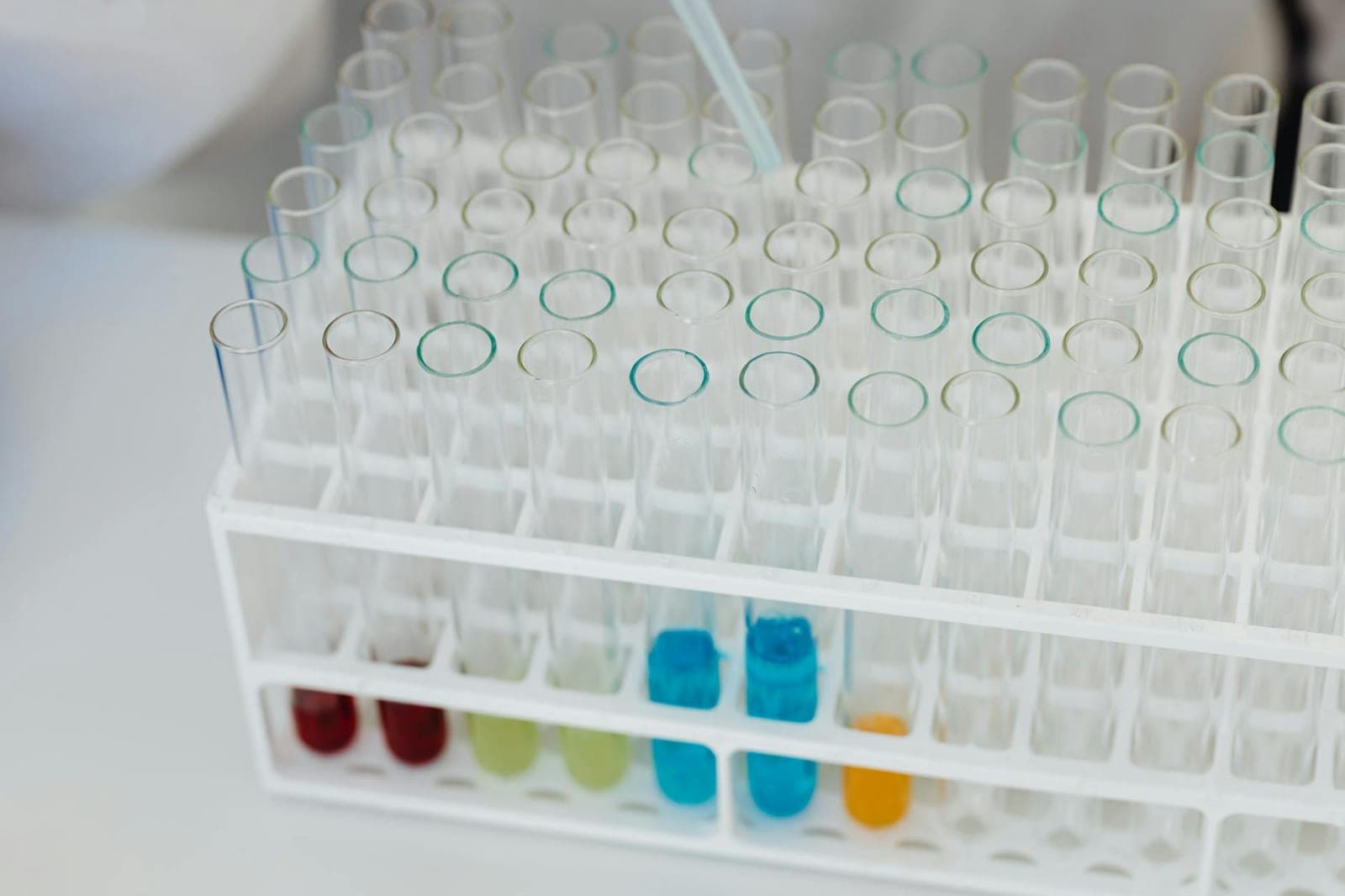
Vendors increasingly cite "third-party tested" COAs. The phrase sounds authoritative, but not every lab operates to the same standard. Before you weigh a COA heavily, evaluate the laboratory that produced it — not just the numbers on the page.
Accreditation and scope
Look for ISO/IEC 17025 accreditation from a recognized body. Accreditation means an external auditor verified the lab's quality system — but check the scope of accreditation. A lab accredited for environmental testing may not be scoped for peptide identity or purity assays.
The accreditation certificate should list specific methods and analytes. If peptide analysis is not in scope, the badge is less meaningful than it appears.
Transparency signals
Strong labs publish:
- Full methods (column, gradient, MS conditions).
- Raw or semi-raw data — chromatograms, spectra, integration tables.
- A named signatory and report date.
- A verifiable report number you can confirm with the lab.
Weak labs reuse templates, omit methods, or issue reports that cannot be verified on request.
Independent vs. in-house
"In-house tested" is not inherently bad, but it lacks the conflict-of-interest buffer of a truly independent lab. Our vetting scorecards weight independent third-party verification because it reduces the incentive to round purity numbers upward.
Red flags
- Lab name with no website, address, or accreditation record.
- COA PDF that looks identical across unrelated vendors (shared template fraud).
- Results that never vary between batches — real testing shows batch-to-batch noise.
For reading the report itself, start with COA literacy.
References
Peptidology is US-operated; guides may emphasize FDA context — local rules differ. Regulatory status varies by country; you are responsible for compliance where you live.