Regulations
GMP vs. Research Grade: What the Grade Label Means
Updated 2026-02-13
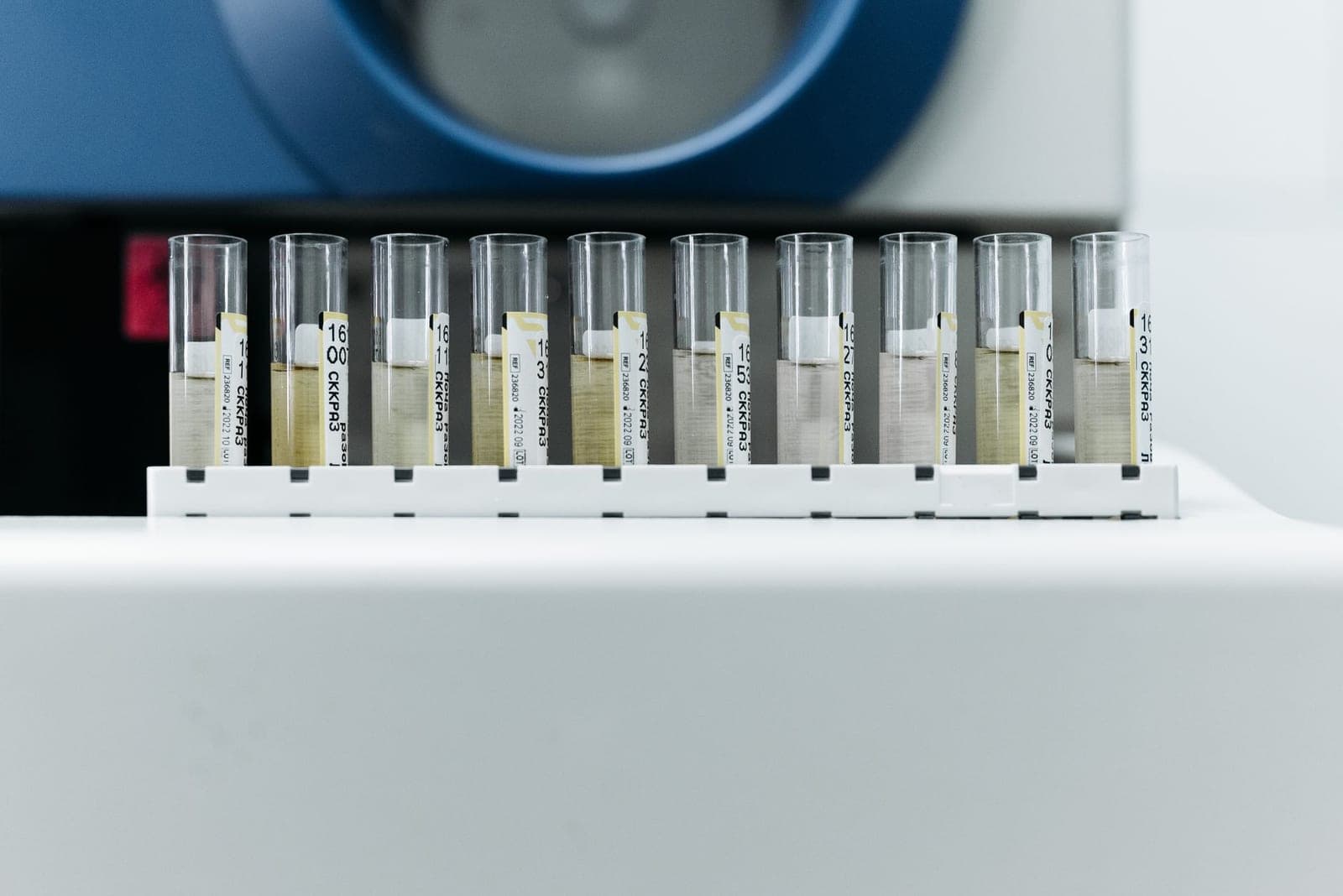
Catalog listings often advertise "GMP grade" or "research grade" peptides. The words sound authoritative, but they describe different manufacturing and quality systems — and research grade is not a standardized FDA term for finished RUO vials.
What GMP (cGMP) actually implies
Current Good Manufacturing Practice is a regulatory manufacturing standard for drugs and certain APIs produced for human use. GMP facilities operate under validated processes, change control, batch records, and FDA inspection regimes appropriate to pharmaceutical production.
An FDA-approved peptide drug such as semaglutide in pharmaceutical form is manufactured under GMP. A lyophilized catalog vial with the same sequence name is not automatically GMP material unless the supplier documents a GMP chain credible for that specific lot — which most RUO catalogs do not claim at pharmaceutical depth.
What "research grade" usually means in practice
In catalog commerce, research grade typically means:
- Synthesis and packaging intended for laboratory research
- Batch COA with purity and identity data (COA literacy)
- No FDA drug approval or NDA label
- Variable third-party testing practices — see our Sources scorecards
It is not a universal purity guarantee, and it is not interchangeable with USP or compendial drug standards unless explicitly documented.
Red flags when grade language oversells
- "GMP peptides" on a consumer-facing site with wellness marketing and no facility registration context
- Grade badges without COA method sections — HPLC and MS should appear per batch
- Equating research grade to pharmaceutical interchangeability with approved products (FDA-approved peptides)
Independent verification closes part of the gap: evaluating third-party labs and peptide identity testing help labs judge a lot on its own evidence — not on ad copy.
Institutional procurement takeaway
University and CRO buyers should specify acceptance criteria (identity, purity, endotoxin limits if applicable) rather than vague grade adjectives. Store COAs with lot numbers; a strong COA on lot A does not describe lot B — see batch-to-batch variability.
Related guides
References
Peptidology is US-operated; guides may emphasize FDA context — local rules differ. Regulatory status varies by country; you are responsible for compliance where you live.