Quality assurance
Batch-to-Batch Variability in Research Peptides
Updated 2026-06-07
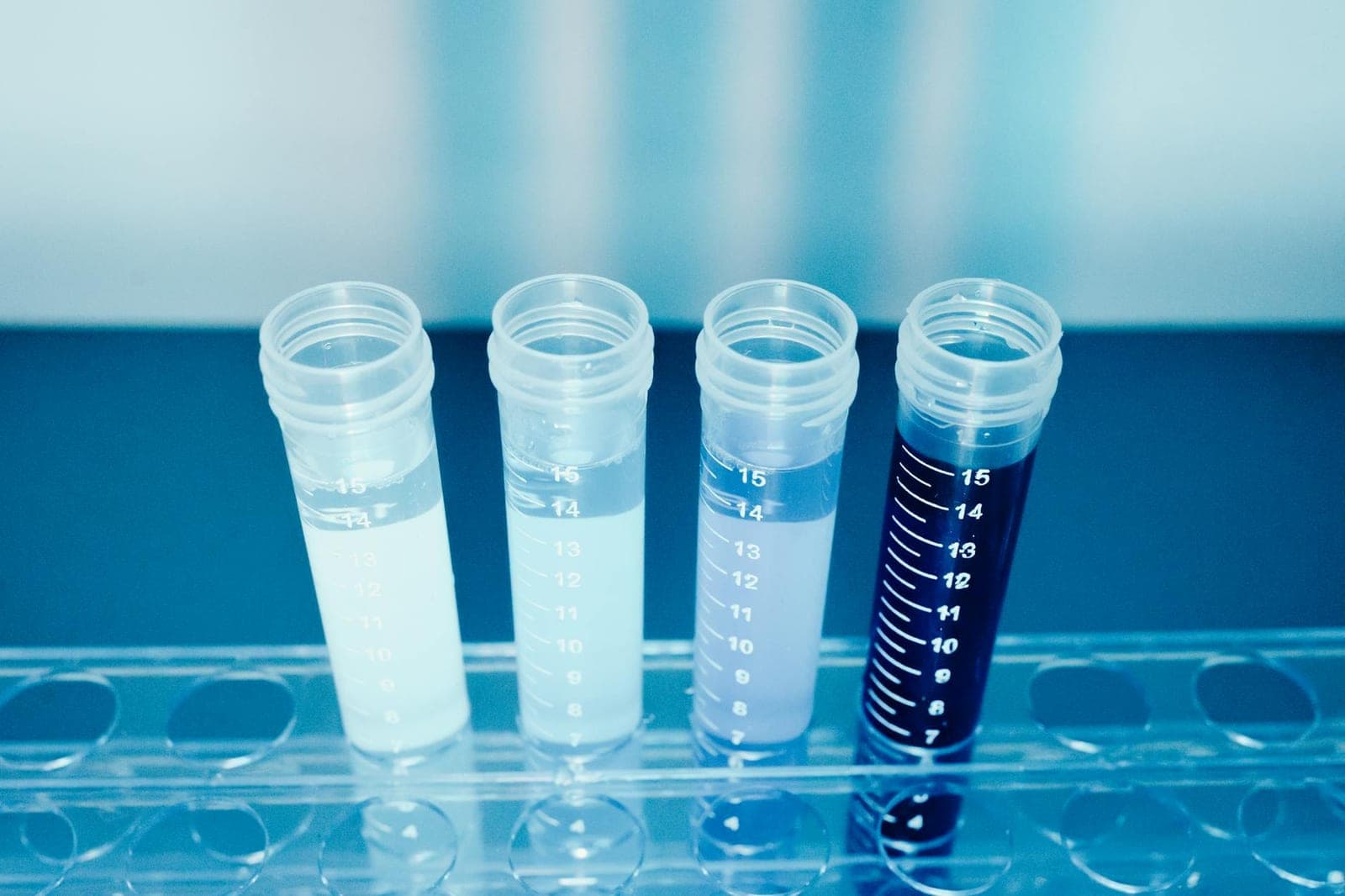
Peptide synthesis is a batch process. Each manufacturing run can differ in impurity profile, moisture content, and even nominal fill weight. A vendor's published "gold standard" COA — often from a cherry-picked lot — tells you nothing about the vial on your bench unless the batch numbers match.
Sources of variability
- Synthesis efficiency. Longer or difficult sequences produce more deletion sequences and incomplete couplings.
- Purification. Different runs yield different impurity fingerprints even at the same quoted purity.
- Lyophilization. Moisture content and cake appearance vary with processing.
- Storage and shipping. Temperature excursions between manufacture and receipt can affect stability.
What this means for research reproducibility
If you switch lots mid-study, treat it as a material change — not a silent swap. Document the lot number, COA, and key results (identity, purity) in your lab records. Compare chromatograms side by side when continuity matters.
Vendor practices that reduce risk
- Per-batch COAs published at time of sale, not one static document.
- Lot-specific inventory — you can order the exact batch you reviewed.
- Transparent re-test policy when a lot fails internal QC.
What you should do
Never assume last month's excellent COA applies to this month's shipment. Match batch numbers, file documentation, and compare new COAs against prior lots. See our vetting methodology for how we score consistency across batches.
References
Peptidology is US-operated; guides may emphasize FDA context — local rules differ. Regulatory status varies by country; you are responsible for compliance where you live.